I can usually handle everything with any materials I have in my classroom, but there’s a few things my student’s are not able to do their best without.
I’ve made a DonorsChoose project to get some Kindle Paperwhites. These are wonderful devices (I have one myself) and so useful for my students who struggle reading because of visual impairments or specific learning disabilities like dyslexia. We tried to get some for my students through the district, but we were rejected. So I’m here to ask for help getting these things for my students.
The features I find on the Kindle Paperwhite that are useful for my students are the ability to change the font style and size, high contrast mode, and the capability to listen to audiobooks. All of these cool features would be life-changing for some of my students who have a hard time reading and understanding texts. Though my district can purchase large-font texts of the books we are supposed to read, it’s just not enough to meet the needs of all of my students. The students do have Chromebooks, but with the limited ability to adjust many things on the Chromebook due to district settings and the constant glare of the computer screen, it does more harm than good for some of my students. Plus, the screens are so small, and even with changing the zoom or font size, it’s still to hard for some of my students. Kindle Paperwhites are small, but the font size can be set big enough for any of my visually impaired students to read.
Having Kindle Paperwhites for my students will help so many more than just one kind of special learning disability. All I need is five of them. The e-books to download are so much more affordable than the large font books, and often free. Don’t get me wrong, I love a good paper book, but for some of my kids, they need better options for accessibility.
If you find it in your heart to donate any amount of money for my 7-12th grade students to get these great tools for learning, please click on this link donorschoose.org and donate as soon as possible.
My students will appreciate it so much. I’m excited to see some of them finally enjoy reading instead of seeing it as something too difficult to do.
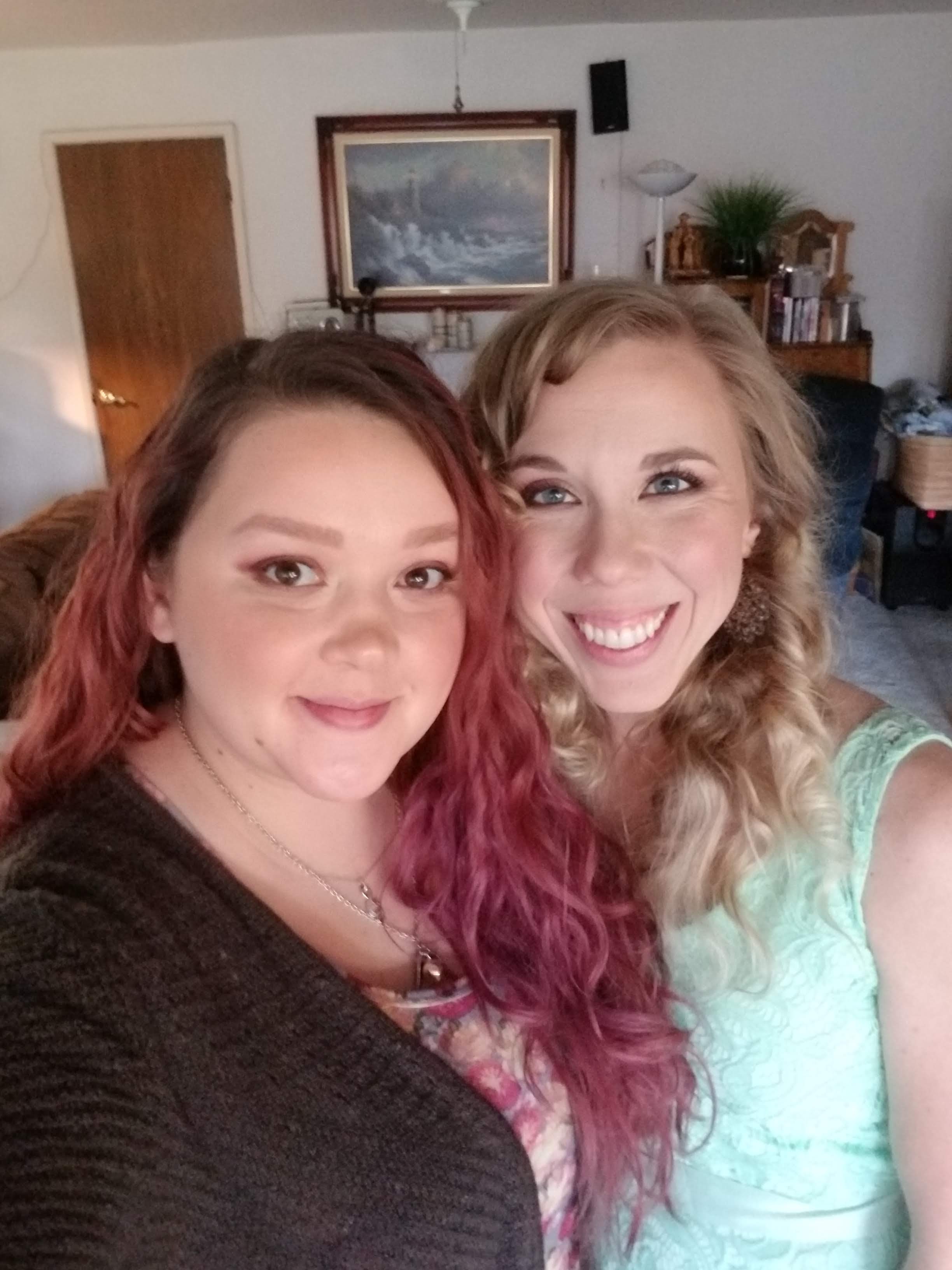
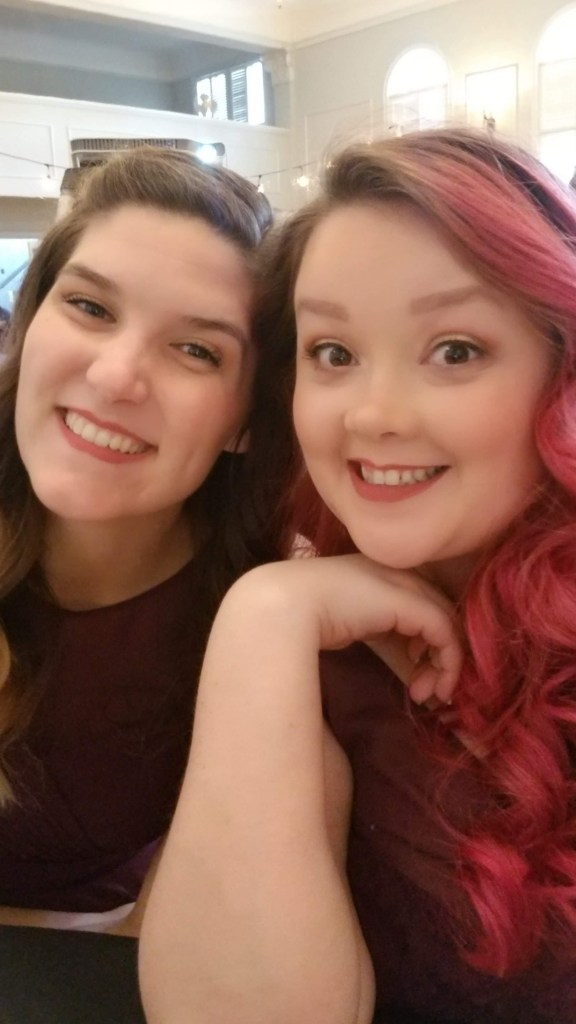
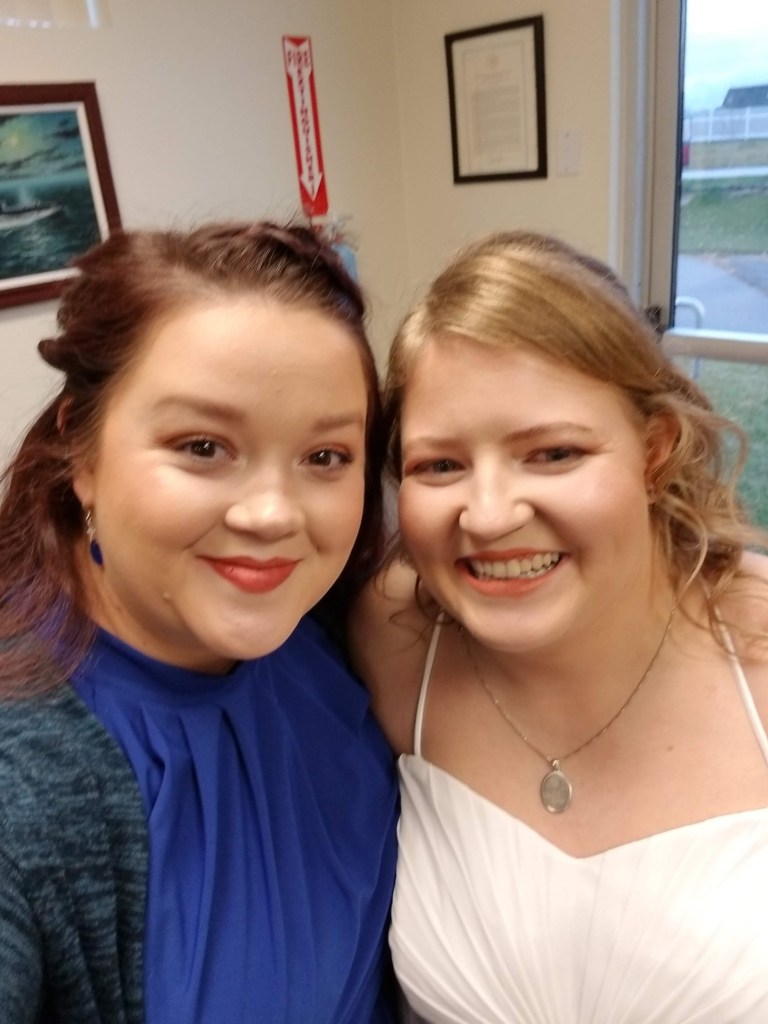
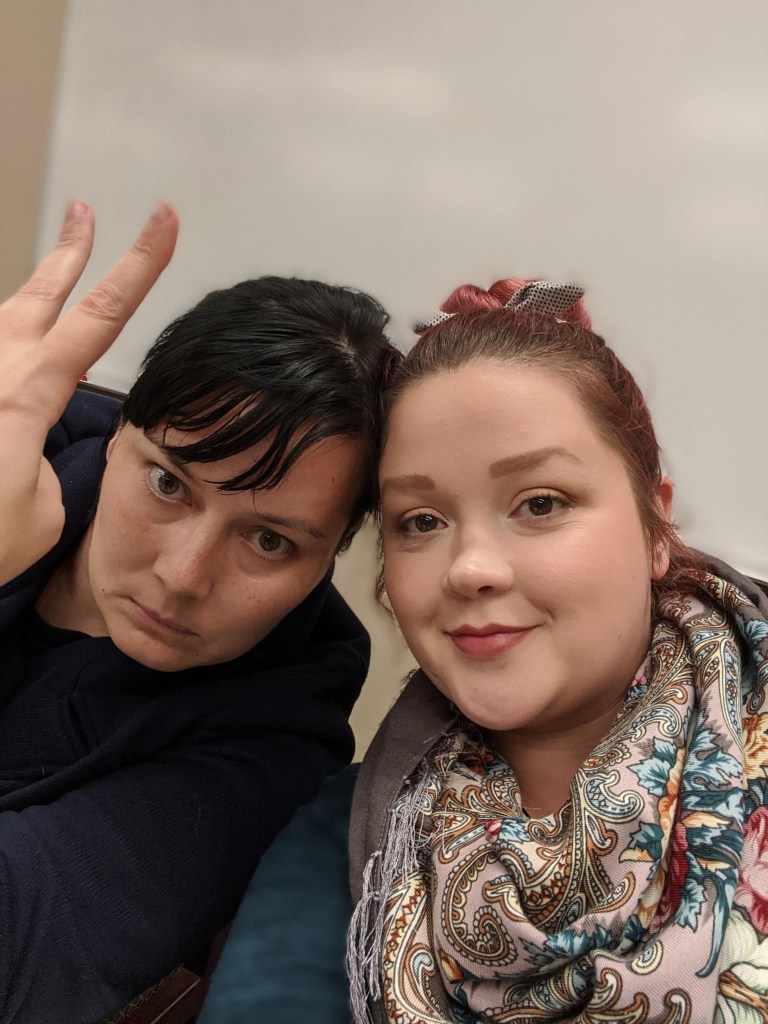
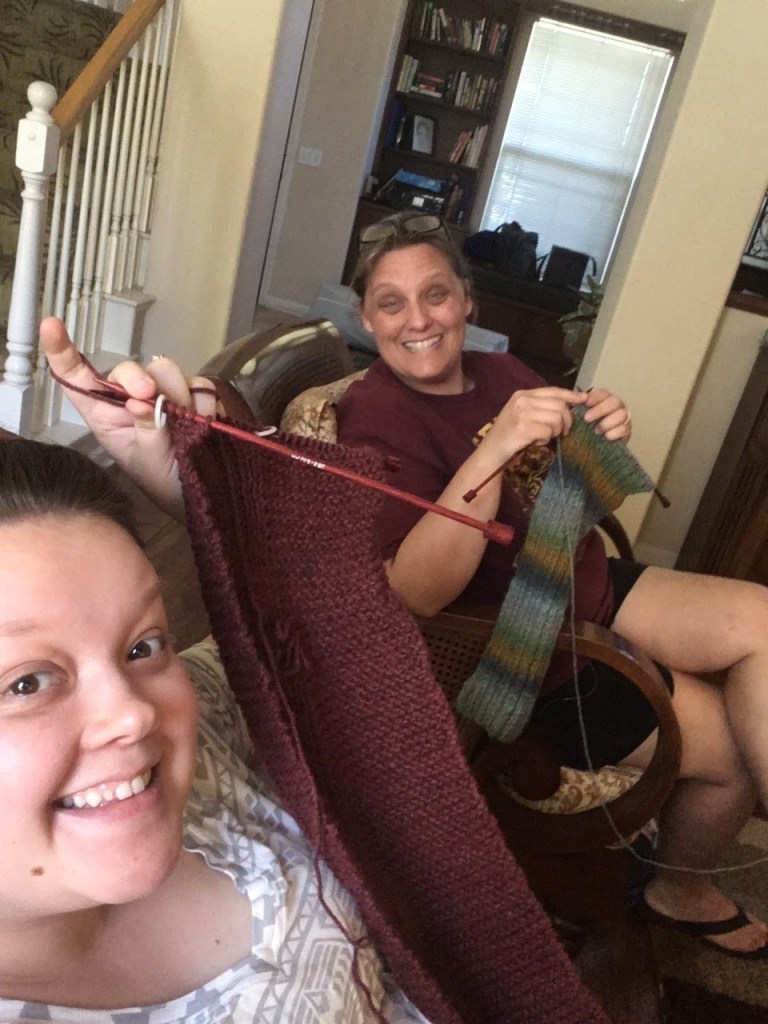
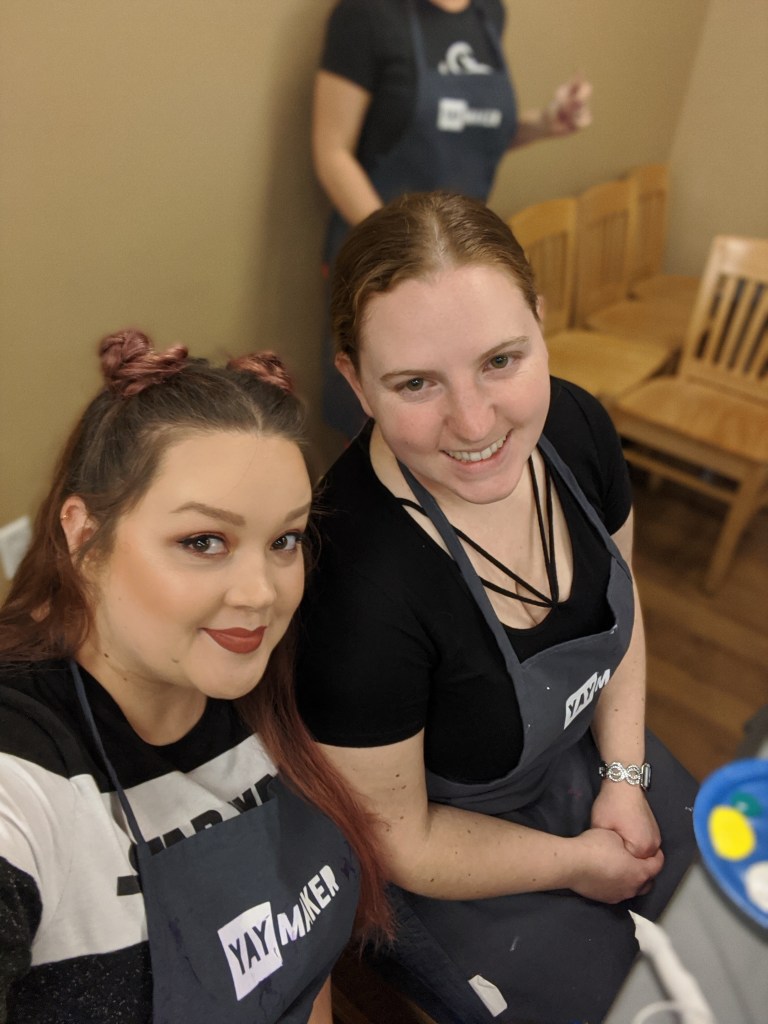
Just a small sampling of the real friendships I’ve accumulated over the years. I love them all so much!!!
Some people are so smart, yet have no common sense. I was one of these people. Well, technically, there are some areas where I need to flex my common sense muscle, but I want to talk about friendships. I used to not understand how to make friends and keep them, but I’ve been working on how to focus my attention on important relationships, and let the other ones go. There are friendships that are real and true and amazing, and there are fake friendships that make you feel like a terrible person but if you need to cut ties, it is perfectly okay to do so. So, I’m writing about how I tell my friendships apart, because there’s a few things I’ve noticed recently that have just set me on edge.
Signs of Real Friendships:
You may not talk every day. You may not have the mental capacity to talk every month, but when you do, it’s like the relationship never missed a beat. The friendship is comfortable enough not to need constant assurance that it is a real friendship. I have several of these and it is so relaxing to have a friend that understands a busy life or mental illness and still loves you a lot to always be around for when it counts.
You can talk to this person and they will listen. You don’t have to worry about them sharing every juicy detail about your life to someone else. They won’t offer advice every single time either, just support and understanding.
When something terrible happens, they’re there for you, even if not physically there. Vice versa when something great happens. They’re supporting you when you’re feeling inadequate and worthless, and they’re supporting you when you feel on top of the world.
They confront you. When you’ve said or done something that hurts someone else, they talk to you about what happened without telling you that you’re awful and wrong (especially if you think you’re a terrible person all the time).
You can angry rant to them about something you are furious about. Even if they have a different opinion than you on the topic. They listen and care.
They remember your birthday without a Facebook reminder (most of the time). I have my best friends on my birthdays bullet journal spread with my family.
On the rare occasion where they genuinely ask for advice, they take it into deep consideration and trust that you care enough to help them.
They might hurt you sometimes. That’s the risk of a relationship. But every single time, they genuinely apologize and work on the friendship with you. This happened to me in high school with a bestie, and we grew through it and are both much better friends because of it.
Signs of Fake Friendships
They tell you what to do and how to think. Even if it’s something small. It’s not even a conversation or debate. It’s a “my way or the highway” mentality (toxic).
When they ask for advice all the time and they never take it, like they just want to go through the motions of asking a friend about something. They don’t think your advice is in their best interest.
They tell someone else what you said in confidence.
Saying “I’m sorry you feel that way” or something similar to quickly apologize or move away from confrontation. They don’t actually want to work on the friendship. In fact, this type of apology isn’t an acknowledgement of a mistake, just an acknowledgement they got caught hurting you.
Asking “are we still friends?” Honestly, you should never have to ask an adult that question. Seeking constant approval that you are friends is not a healthy friendship. This is very different from the “can we be friends?” question. If you want to be friends, ask, and you only need to ask once.
When a “friend” says or does something that makes you feel unimportant, useless, or worthless.
Someone who expects you to do things for them with no reciprocation. Or, doing a small thing and expecting something more in return.
Only wanting to be around during good times. Those “fair weather” friends. They still exist. They don’t want to see you down because it kills their vibe.
Someone who ditches plans with you to be with a partner, a prospective partner, or just because without giving advance notice, or just ghosts you when they have a partner (I was guilty of this once. I now know the value of maintaining friendships while also having a partner).
Someone who is inconsiderate of time constraints and the need to carefully plan around life, work, personalities, and mental health. If we’re going to hang out together, I can do arts and crafts or have a drink and watch Nailed It from 6-9pm on Friday afternoon and I need to be home promptly at 9:15 to feet my cats. Don’t call me Tuesday at lunch and expect me to be there after work to go bar-hopping. I’m never going to say yes to that. I’m an adult, an introvert, and a teacher. Bar-hopping will not recharge me and will just trigger anxiety.
Someone who is always forgetting or is inconsiderate of your own plans in life. I had this “friend,” whom I told on multiple occasions that I was going to be gone a specific weekend to spend time with my family and husband, and they messaged me on the way to our trip and during our trip THE NEXT DAY asking to hang out. No, I told you before, multiple times, I’m not in town. Thanks for listening.
Ghosting you after telling them your plans for the next year involving baby-making. Or, ghosting you if you don’t plan on having children ever.
Consistently skipping out on a friend’s birthday even though you went to theirs. For example, we went to a “friend’s” partner’s birthday, playing mini golf two hours away from home and eating at a restaurant. Then, months later, when I was in the works to plan out my husband’s birthday, going to a whiskey tasting (already paid for) two hours away from home and dinner, this couple said they couldn’t make it. Then on the day of his birthday, they didn’t even message him, knowing it was his birthday. Money wasn’t the issue here. They were just being jerks.
This sign: the “friend” texting you around Christmas, then leaving you on read during your birthday month, then telling them happy birthday on their birthday later and they do not even acknowledge that they missed your birthday. That is so mean!
Choosing to only be friends with their partner’s closest friends, following their partner’s friendships rather than maintaining their own. I was lucky to have three best friends whose partners I also like. But even if I don’t like your partner a lot or even know your partner that well, I’m still willing to be your friend and grow that friendship to include others.
Many of the signs of fake friendship have to do with being inconsiderate. It’s a hot button for me. As an INFJ, I am so deeply considerate of others (and am constantly working on being more considerate) that not getting even a little consideration in return makes me want to just cut off that relationship completely. I’m 27, I don’t have time to waste on wishy-washy friends. I want to work on the good ones I’ve already got going. But also I love having friends so if you want to be real friends I’m down. I am really going to need some mom friends when I conceive.
If some of the “signs of fake friendship” apply to one of your friendships, take the time to re-evaluate the relationship and see if you want to keep it going or not. It’s okay to end a friendship that isn’t working for you or your friend. When you move your attention away from a not-so-great friendship, you’ll be able to focus on finding and investing in a great friendship.
However, if you feel like some of the “signs of a fake friendship” seem to apply to you, you can change your actions to become a real friend. Others can as well, but only if they want to. Keep working on you as much as you want, and I’ll keep working on me.
Please work on finding real friendships and becoming a real friend. It will make the world so much brighter.
"That must be so difficult!"
"I'll pray for you."
"I could never!"
"You must be a saint!"
"I'm so sorry!"
"Wait, you chose to teach middle school?!"
When people ask me about my profession, these phrases most often follow my reply. I sort of get that they’re trying to tell me my job is important. However, it also sounds like middle school kids are the absolute worst people in the universe.
Unpopular opinion: I don’t actually like when people say these things about my job, about my students. What, because they’re developing critical thinking skills and asking questions about their world and their truth they’re terrible? Are they presumed to be awful because they know how to post Tiktoks and keep streaks on Snapchat? I don’t agree with vilifying tweenagers. In fact, I am actually really lucky to be teaching middle school.
Here’s what is true about my students: You can actually talk to them. Because seventh and eighth graders are older and developing critical thinking skills, we have many conversations about real-world experiences: how to vote, economics and taxes, health and well-being, family struggles, et cetera. They are curious about these things, and they want to practice having conversations with people about these things because they already know they will have to face these conversations as adults. Treating them as if you wouldn’t want to voluntarily go near them is actually harmful to their critical thinking skills and emotional state. I’m so lucky I have a group of students who want to have real conversations with me. I’m so lucky I don’t have to teach kids who don’t really understand what adulthood might be yet.
They are still adorable. Probably not in the same way as a roly-poly cuddly toddler, but they can still be just the cutest things ever. Examples: An eighth-grader yelling at someone to get tissues right away because they saw a seventh grader crying under a table outside, catching a seventh grader who hates reading completely engrossed in a book you recommended, a wiggly tween bouncing around on a yoga ball while intensely working at their desk, and watching all of these kids from different backgrounds actually caring about each other and becoming true friends. I’m lucky I get to witness how cute they are and be a part of their formative years.
They aren’t evil. Sure, I get some days of attitude and exaggerated drama. I get tattle-tales and sidekicks (those who decide to like to say “Yeah, Mrs. Huft said _____” after I correct a student). They’re still young, and they are learning how to socialize. They’re learning how to process their emotions. They’re learning how to create lasting bonds. I’ve got two students who I would have never imagined being the sweetest and hardworking students ever calling me “mom” because even though they put up their hard walls with attitude, I didn’t back down and cared instead. How could someone say “I’m sorry” that I teach middle school when they are all learning how to be loving and kind? I am so lucky that I get to teach students right at the age where they are trying to figure out who they truly want to be and help them get there.

 babbles&brains